Transform Your Area With Experienced Bathroom Remodeling
Bathroom remodeling is often disregarded yet vital for enhancing a home's practicality and visual charm. Many homeowners discover their current designs inefficient, failing to accommodate daily requirements. Expert guidance can address these complexities, transforming a ordinary space into a private retreat. The question stands: how can one properly determine their preference, set a practical financial plan, and choose the appropriate materials? Comprehending these factors is essential for a successful remodel.
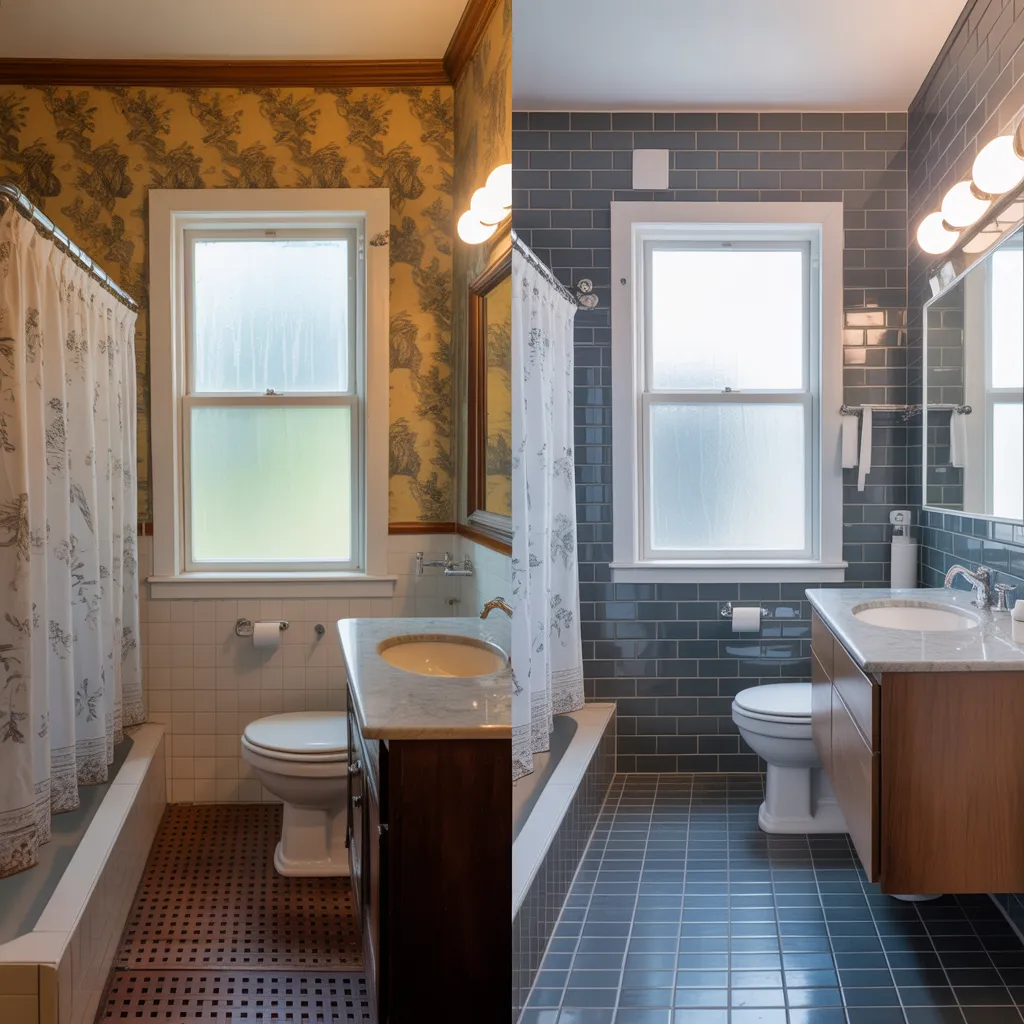
Why Isn't Your Bath Area Performing the Way You Want It To?
What makes a bathroom fail to meet its owner's needs? Often, the problems arise from limited space, bad layout, or old installations. A cramped environment can restrict mobility, making daily routines difficult. Insufficient storage can lead to clutter, causing frustration during use. Additionally, outdated aesthetics may not match the owner's preferences, establishing a mismatch between the space and the individual.
Light is essential; inadequate or harsh lighting can change the functionality and ambiance, causing the bathroom to feel uninviting. Accessibility is another factor; when the bathroom cannot accommodate all people and visitors, it creates inconvenience.
In the end, a bathroom that fails to match its user's needs and preferences can reduce the overall enjoyment, prompting the need for a carefully planned renovation. Addressing these elements is essential for converting a bathroom into a practical and pleasant space.
Tips for Figuring Out Your Bathroom Style and Must-Haves
Recognizing personal style and expectations is a fundamental step in constructing a functional bathroom. Homeowners should begin by gauging their lifestyle and everyday patterns. Elements including the user count, storage requirements, and desired features play an important role in establishing the design.
To investigate style preferences, homeowners can review design magazines, websites, or online communities for references. Building a visual collection can help picture hue combinations, tactile elements, and installations that match unique style.
Additionally, examining the existing space is essential. Identifying any architectural elements or constraints will direct the design process. Homeowners may also consider what currently works or fails to function in their bathroom, helping to pinpoint specific needs.
Ultimately, detailed awareness of personal style and practical demands provides a solid foundation for an impactful bathroom remodeling project, ensuring the final result adheres to both aesthetic desires and practical necessities.
Setting Your Budget for Your Bathroom Renovation Project
Developing a cost estimate for a bath remodeling project calls for a clear comprehension of the project's scope. It's critical to account for unanticipated expenses that may read now surface during the remodeling undertaking. By planning carefully, homeowners can curtail financial surprises and obtain their wanted results.
Determine Project Scope
Setting a clear budget is necessary for a successful bathroom renovation project. The project scope directly influences this budget, as it specifies the breadth of renovations. Homeowners need to examine their needs and preferences, deciding which features to highlight, such as fixtures, flooring, or cabinetry. A precisely outlined scope permits more trustworthy cost estimates, reducing the risk of overspending. Moreover, it helps with making informed choices about materials and labor. By understanding the desired outcomes, individuals can distribute funds effectively, ensuring that essential elements are not compromised. In the end, a well-considered project scope acts as a roadmap for the remodeling process, aligning design goals with financial realities and helping a smoother execution.
Incorporate Unanticipated Expenses
Although the project scope might be clearly specified, homeowners should prepare for unforeseen expenses that may emerge during a bathroom remodeling project. Such expenses can arise from different sources like hidden plumbing issues, outdated electrical systems, or additional permitting requirements. Often, homeowners fail to consider the potential for structural repairs, particularly in older homes where issues might not be visible before renovations start. Changes in design plans or selecting high-end materials can also raise costs. To minimize financial surprises, setting aside an emergency fund of at least 10-20% of the total budget is wise. This approach ensures more flexibility and peace of mind, allowing the remodeling process to continue smoothly despite unexpected difficulties.
Must-Have Qualities for a Well-Designed Bathroom Design
When creating a practical bathroom, it is crucial to emphasize key elements that improve both usability and comfort. Adequate storage is fundamental; adding cabinets and shelving can help maintain organization and tidy. Additionally, proper illumination significantly enhances functionality, with layered options such as task, ambient, and accent lights catering to various needs.
Accessibility functions as another paramount consideration; features like grab bars, non-slip flooring, and a walk-in shower can make the space more suitable for all users. An efficient layout validates that required parts, such as the toilet, sink, and shower or bathtub, are easily reachable and rationally placed.
In the end, proper airflow is needed to stop moisture buildup and copyright air quality. Incorporating these components establishes a harmonious and functional bathroom design that meets the demands of everyday life while delivering a comfortable oasis.
Deciding on the Ideal Materials and Fixtures
Selecting the suitable materials and fixtures is essential in achieving a functional and aesthetically pleasing bathroom. The selection of materials influences both the durability and upkeep of the space. For countertops, options like granite or quartz offer resilience and a refined look, while ceramic tiles provide flexibility in design and ease of care.
In terms of fixtures, quality counts. Faucets and showerheads should be both modern and water-efficient, championing sustainability. Picking finishes that maintain their luster can strengthen durability and sustain appearance over time.
Furthermore, light fittings should be strategically selected to assure sufficient brightness and mood, balancing functionality with design.
Ultimately, a thoughtful choice of elements and accessories can reshape a bathroom into a haven, demonstrating the homeowner's personal style while delivering convenience and coziness.
Discovering Qualified Renovation Experts
When picking remodeling experts, it is vital to evaluate their credentials and experience to ensure quality craftsmanship. A detailed examination of their specialties and portfolio can provide understanding into their design style and capabilities. This meticulous evaluation enables homeowners choose wisely for their bathroom renovation initiatives.
Credentials And Experience
Selecting the suitable remodeling experts requires thorough evaluation of their qualifications and track record. Homeowners must discover practitioners who possess necessary credentials and qualifications, as these prove a devotion to industry standards and regulations. Focused expertise in bathroom renovations is paramount, as it indicates a comprehensive understanding of the particular challenges and requirements inherent to such projects. Moreover, identifying experts with a proven track record can provide assurance in their capability to deliver quality results. Collaborating with professionals who take part in continuous learning opportunities or professional networks can also be useful, as it demonstrates their dedication to remaining current with trends and techniques. In summary, comprehensive research into credentials and experience will facilitate intelligent choices and successful renovation results.
Range of Work And Specialties
A professionally assembled portfolio represents a gateway into a remodeling expert's proficiencies and creative direction. It showcases past projects, stressing the breadth of skills and attention to detail. When evaluating potential experts, clients should consider not only the variety of designs but also the quality of craftsmanship. Specialties may include modern, traditional, or eco-friendly designs, and understanding these can help homeowners align their vision with the right professional. An effective portfolio will also demonstrate problem-solving abilities, particularly in challenging spaces. By examining testimonials and case studies, clients can gain insight into the expert's approach to customer service and project management. Ultimately, a strong portfolio guarantees homeowners feel confident in their choice of remodeling partner.
Looking after Your Recently Updated Bathroom
Although a newly updated bathroom can bring happiness and utility to a home, it also demands careful maintenance to safeguard its beauty and efficiency. Consistent cleaning is essential; using mild cleaners helps maintain surfaces without causing damage. Routine care, such as wiping down counters and fixtures, prevents the buildup of grime and mildew.
Checking plumbing fixtures for water loss is vital, as even minor drips can produce substantial water destruction over time. Additionally, keeping tabs on grout lines and caulking confirms that water doesn't infiltrate walls, which could result in mold growth.
Ventilation constitutes an vital role in preserving a clean atmosphere; using ventilation devices during and after showers helps lower humidity. Finally, periodic evaluations of the bathroom's structural features allow homeowners to address deterioration promptly, guaranteeing that the investment in remodeling continues to pay off for years to come.
Common Inquiries Posed Often
What Duration Should You Anticipate for a Typical Bathroom Renovation?
A common bathroom renovation takes about three to six weeks, based on the project’s complexity and size. Factors like material availability and contractor availability may affect the total timeline for completion.
What Permits Are Necessary for Bathroom Renovation?
Usually, bathroom renovation demands permits for plumbing, electrical work, and structural renovations. Local guidelines may vary, so it's vital for householders to inquire with their municipality to maintain compliance with all necessary construction codes.
Is It Possible to Reside in My Home During Remodeling?
Indeed, homeowners are often able to live in their homes during remodeling, though this may copyright on the magnitude of the project. Disruptions such as dust and noise could make certain areas briefly unavailable, demanding some adjustments.
What Methods Can Help Me Decrease Dust and Debris During Remodeling?
To curb dust and mess during remodeling, one should seal off work areas with plastic sheeting, use dust barriers, apply vacuum systems, and verify proper ventilation. Regular cleaning can also help maintain a tidy environment.
What Should I Do if I Stumble upon Unexpected Issues?
When encountering unexpected issues, one should assess the problem, consult experts if needed, and adjust the project plan accordingly. Strong dialogue with contractors can help reduce postponements and ensure a smoother remodeling process.